
Installing solar panels is a big step toward reducing electricity bills and achieving energy independence. But there’s one crucial component that often gets overlooked — the solar inverter.
Simply put, an inverter converts the DC (direct current) electricity generated by your solar panels into AC (alternating current) power, which your home appliances use.
As India’s rooftop solar market continues to grow in 2025, choosing the right inverter becomes essential for maximizing returns and system efficiency. This guide will help you make the right choice, whether you’re a homeowner in Delhi, Lucknow, or any other part of the country.
Why the Inverter You Choose Matters
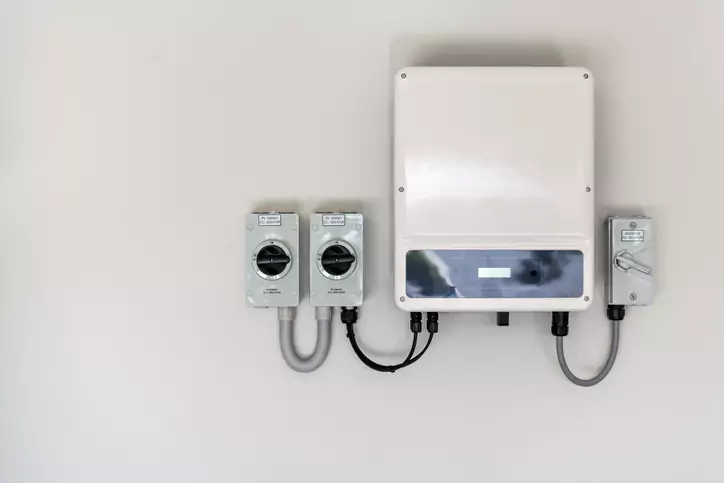
The inverter is the heart and brain of your solar power system. It does more than just convert electricity — it:
- Maximizes solar energy output
- Monitors and manages battery storage (if used)
- Feeds extra power into the grid
- Detects faults and shuts down for safety
- Supports net metering, as per Indian DISCOM rules
Investing in a high-quality inverter ensures your system works efficiently for 10–15 years with minimal maintenance.
Also Read Top Solar-Powered Fans for Summer Cooling in India (2025)
Types of Solar Inverters for Indian Homes
1. String Inverter
- Most common choice for Indian rooftops.
- Connects a “string” of panels to one central inverter.
Best for: Open rooftops with minimal shade
Pros: Low cost, easy maintenance
Cons: Performance drops if one panel is shaded
2. Microinverters
- Each panel has its own mini inverter installed underneath.
Best for: Roofs with partial or scattered shading
Pros: High efficiency, per-panel optimization
Cons: Costlier than string inverters
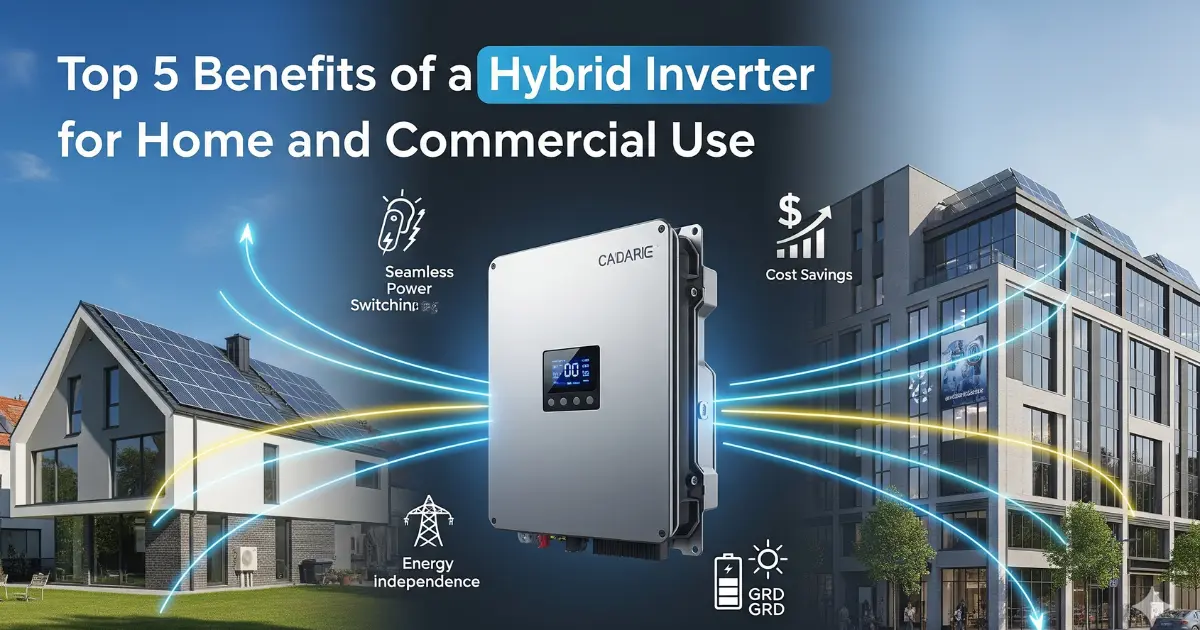
3. Hybrid Inverters
- Works with panels, the electricity grid, and batteries.
Best for: Areas with frequent power cuts or future battery plans
Pros: Flexible, future-ready, seamless switching
Cons: Higher upfront cost
4. Off-Grid Inverters
- Designed for homes with no grid connection (villages, hilly regions)
Best for: Remote areas with unreliable or no grid
Works with: Solar panels + battery storage
Cons: Needs battery investment upfront
🔍 Key Features to Look for in a Solar Inverter
Before you purchase, consider these must-have features:
1. Capacity (kW)
Match the inverter size with your panel system.
➡️ Example: For a 3kW system, choose a 3kW to 3.3kW inverter.
2. Efficiency Rating
Choose inverters with at least 95% efficiency.
➡️ Higher efficiency = less energy lost during conversion.
3. MPPT Technology
Look for Maximum Power Point Tracking.
➡️ Helps maximize output even on cloudy or shaded days.
4. Net Metering Compatibility
Essential for grid-tied systems in India — lets you sell unused power back to DISCOMs.
5. Battery Support (Hybrid)
Planning to add batteries later?
Pick a hybrid inverter that supports both solar and battery sources.
6. Weatherproof Design
Look for at least IP65 protection.
Keeps dust, heat, and rain from damaging the unit.
7. Smart Monitoring
Inverters with apps or web dashboards let you:
- Track performance
- Detect issues early
- Optimize usage
Solar Inverter Prices in India (2025)
| Inverter Type | Capacity | Average Price (INR) |
|---|---|---|
| String Inverter | 3–5 kW | ₹25,000 – ₹50,000 |
| Hybrid Inverter | 3–5 kW | ₹50,000 – ₹1.2 lakh |
| Microinverters | Per Panel | ₹8,000 – ₹20,000 |
Note: Prices vary by brand, location, and installer charges.
Top Solar Inverter Brands in India
Popular & Trusted Brands:
- Fronius (Austria) – Long-lasting, great for remote monitoring
- SMA Solar (Germany) – High efficiency and top-notch reliability
- Sungrow & GoodWe – Easy-to-use hybrid options with Indian service centers
- Luminous & Microtek (India) – Affordable and widely available
- Enphase (USA) – Best choice for microinverter-based systems
Always confirm if your chosen brand offers service in your city.
Step-by-Step Buying Guide for Indian Homes
- Calculate your power usage
Check your monthly electricity bill - Evaluate backup needs
Do you face power cuts? Need storage? - Inspect your rooftop
Check size, direction (south-facing preferred), and shading - Choose capacity & efficiency wisely
Add 10–20% buffer to system size
Look for 95%+ efficiency - Pick a model that supports
Grid connection
Battery storage
Net metering (as per DISCOM rules) - Check warranty and after-sales service
Prefer brands with 5–10 year warranties - Get a detailed quote
Panels
Inverter
Wiring, mounts, installation
FAQs – Choosing the Best Solar Inverter in India
Q1. What size inverter do I need for a 3kW system?
Q2. Are hybrid inverters worth it?
Q3. What is the lifespan of a solar inverter?
Q4. Can I use a solar inverter without panels?
Q5. Do I need DISCOM approval for my inverter?
Final Thoughts: Make a Smart Solar Investment
Choosing the right solar inverter ensures:
- Maximum energy efficiency
- Lower electricity bills
- Smooth integration with batteries and net metering
From urban homes in Bengaluru to rural setups in Bihar, the right inverter is your system’s backbone.
Consult a certified solar installer before finalizing your purchase.
A well-chosen inverter today brings a decade of worry-free solar power tomorrow.